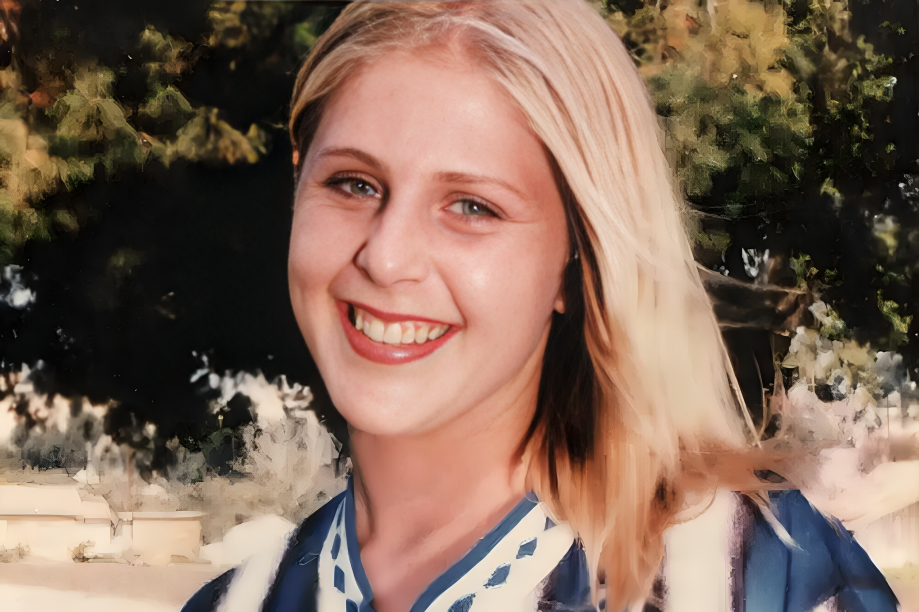
On a warm July evening in 1995, 15-year-old Elyse Marie Pahler slipped out of her family’s home in the quiet Central Coast town of Arroyo Grande, California… and never came back.
A Bright Life Cut Short
Born on April 24, 1980, Elyse was a freshman at Arroyo Grande High School. She was known for her vibrant personality, quick smile, and creative spirit. She designed her own clothes, made friends effortlessly, and carried a warmth that brightened everyday moments. In a close-knit community where kids still roamed freely and neighbors trusted one another, Elyse represented the everyday promise of youth—full of laughter, dreams, and innocent mischief.
That night, she left home after receiving an invitation to hang out and smoke some marijuana with three boys she knew from the area. It seemed like harmless teenage rebellion. Instead, it became the last decision of her young life.
The Night That Shattered Trust
The three boys—17-year-old Royce Casey, 16-year-old Jacob Delashmutt, and 15-year-old Joseph Fiorella—had been planning something far darker for months. They shared an intense obsession with death metal music, especially the band Slayer, and had formed their own group called Hatred. In their distorted fantasies, influenced by song lyrics about sacrifice and power, they believed killing a “virgin” would grant them satanic favor—perhaps sharper musical talent or supernatural success.
They lured Elyse to a secluded eucalyptus grove on the Nipomo Mesa, a short distance from her home. There, under the cover of night, the horror unfolded. One slipped a belt around her neck while another held her down. They took turns stabbing her more than a dozen times in the neck, back, and chest—deliberately prolonging her suffering so she would bleed out slowly. As she lay dying, crying out for her mother and for help, one of the boys stomped on the back of her neck. They partially covered her body with sticks and leaves and walked away, leaving her alone in the darkness.
Eight Months of Agony
By morning, Elyse’s family knew something was terribly wrong. Her parents, David and Lisanne Pahler, reported her missing immediately. At first, authorities and the community hoped she had simply run away or stayed out late. But as days stretched into weeks and then months, hope gave way to deepening dread.
The once-peaceful town of Arroyo Grande felt fractured. Parents grew wary of letting their children out after dark. Friends and neighbors organized searches and vigils. For eight long months, the Pahler family lived in a nightmare of uncertainty—clinging to any scrap of hope while fearing the worst.
Then, in March 1996, Royce Casey—overwhelmed by guilt—confessed to a clergyman and led police to the grove. Elyse’s remains were found exactly where the boys had left her. The revelation turned a missing-persons case into a national horror story.
A Crime That Shocked the Nation
The details that emerged were chilling. Prosecutors described the murder as a premeditated satanic-style ritual, inspired by the killers’ fixation on death metal lyrics. The case reignited debates about youth violence, the influence of music and media on impressionable teens, and the hidden dangers lurking in suburban communities.
In 1997, all three boys pleaded no contest to first-degree murder. They received sentences of 25 years to life (Joseph Fiorella received 26 years). The trial and its aftermath drew widespread attention, with many seeing the crime as a tragic example of how fantasy and peer pressure could spiral into unimaginable brutality.
Fighting for Accountability
Elyse’s parents refused to let their daughter’s death be defined solely by its brutality. In 1996, David and Lisanne Pahler filed a wrongful death lawsuit against Slayer, producer Rick Rubin, and the record labels. They argued that the band’s violent lyrics had helped incite the killers. The case, which highlighted broader questions about marketing extreme music to minors, was ultimately dismissed in 2001 on First Amendment grounds. A judge ruled that the music could not be held legally responsible for the crime.
The lawsuit kept Elyse’s name in the public eye and forced difficult conversations about responsibility in entertainment, even as the family grappled with profound personal loss. The Pahlers faced financial hardship, mental health struggles, and the irreversible void left by their daughter’s absence.
Thirty Years Later: Parole and Lingering Pain
For decades, the three men served their sentences while Elyse’s loved ones continued to honor her memory through quiet tributes, stories of her kindness, and advocacy for youth safety.
In 2025, the story took a painful new turn. After multiple parole hearings and earlier reversals by Governor Gavin Newsom, both Royce Casey and Jacob Delashmutt were granted parole and released—Delashmutt in July and Casey in early August. They had served roughly 30 years. Joseph Fiorella, the youngest at the time of the crime, remains incarcerated at High Desert State Prison, with his next parole suitability hearing tentatively scheduled for June 2026.
The releases stirred fresh grief and public debate about justice, rehabilitation, and the enduring weight of violent crime. For Elyse’s family and friends, the pain never fully healed.
A Lasting Legacy
Today, more than thirty years after that warm July night, Elyse Marie Pahler is remembered not only as a victim but as the bright, creative, and loving 15-year-old she was. Her story serves as a haunting reminder of how quickly innocence can be lost and how deeply one act of violence can ripple through a community.
In the eucalyptus groves outside Arroyo Grande, the wind still moves through the leaves. The town has changed, yet the memory endures—in family stories, community reflections, and the quiet call for vigilance in raising the next generation.
💛 Elyse’s light was stolen far too soon, but it continues to shine in every life she touched and every heart that refuses to forget. A vibrant girl with dreams ahead of her—forever 15, forever missed.
