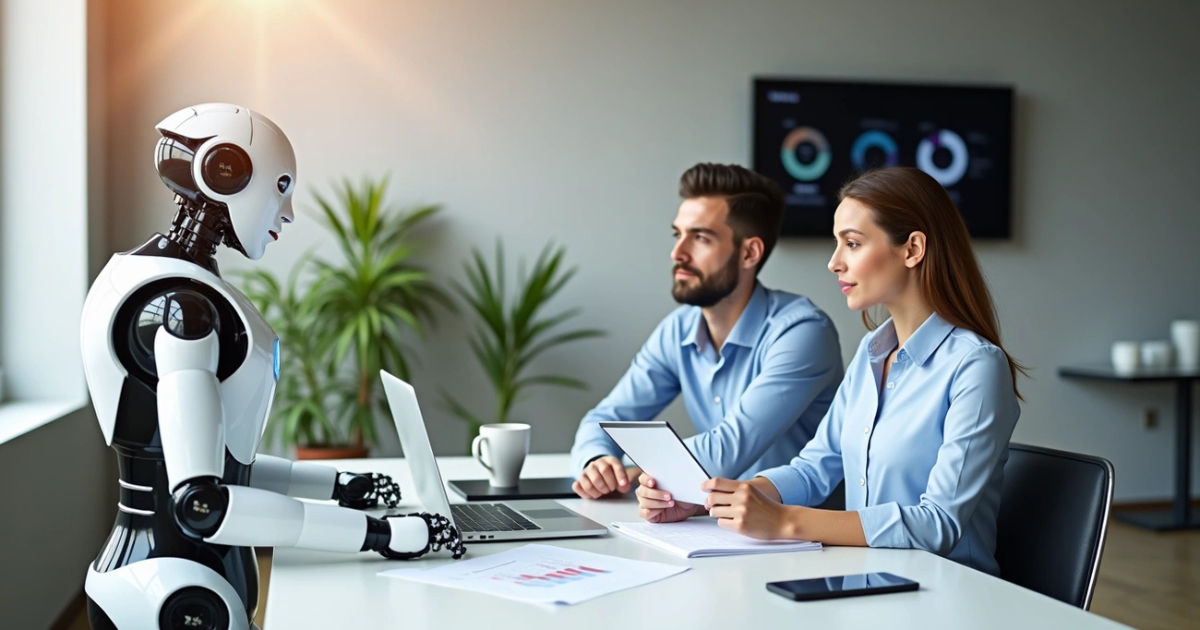
Ponas robotas represents how robots are becoming integrated into homes, workplaces, and culture, transforming the way humans interact with technology. In essence, this concept goes beyond a single machine. It embodies the evolving relationship between humanity and the realms of robotics and artificial intelligence. From manufacturing facilities where robots form the backbone of production, to healthcare settings where surgical robots enable doctors to perform delicate operations with precision, ponas robotas is reshaping multiple industries. Moreover, these advanced machines blend artificial intelligence with practical functionality, taking over mundane tasks like vacuuming floors or cooking meals. This guide explores what ponas robotas means, the technology behind it, real-world applications, and the future of human-robot collaboration.
What Is Ponas Robotas and Why It Matters
The Technology Powering Ponas Robotas
Advanced artificial intelligence algorithms form the backbone of ponas robotas systems, enabling machines to perceive environments, understand human instructions, and adapt to changing conditions. These technologies work in concert to create robots that respond intelligently rather than following rigid programming.
Machine learning and adaptive behavior
Rapid Motor Adaptation represents a breakthrough in how robots learn to navigate complex terrain. Developed by researchers from UC Berkeley, Facebook, and Carnegie Mellon University, this AI system combines a base policy with an adaptation module. The base policy uses reinforcement learning to develop controls for environmental variables, while the adaptation module directs the robot to teach itself about surroundings using information from its own body movements. For example, if a robot senses its feet extending farther, it may surmise the surface is soft and adapt its next movements accordingly.
The system operates asynchronously at different frequencies, allowing it to run robustly with only a small onboard computer. Robots equipped with RMA outperformed competing systems when walking over varied surfaces, slopes, and obstacles, and when carrying different payloads. This technology enables robots to adapt by falling thousands or millions of times in simulation, learning to walk from scratch and adjust to ever-changing real-world conditions.
Domain randomization further enhances adaptive capabilities by randomly sampling different simulation parameters during training. Parameters subjected to variations include dynamic properties of the robot and environment, as well as visual and rendering elements such as texture and lighting.
Natural language processing for communication
Natural language technologies bridge the gap between humans and machines, enabling intuitive interactions. NLP integration allows industrial robots to understand and process human language, leading to flexible interactions that reduce errors and enable complex task automation.
Speech recognition converts spoken language into text or commands that robots understand. Modern systems achieve over 99% accuracy in natural language understanding, allowing robots to perform tasks accurately for given instructions. Robots can translate instructions to understand worker intentions, access location data, and respond with relevant information. Workers can instruct robots to extract information from surroundings through integration with additional sensors.
Multimodal NLP techniques encompass multitasking and multilinguality, training single deep neural networks to perform multiple tasks simultaneously. These approaches enable robots to understand speech using automatic speech recognition, detect speaker emotion, and generate appropriate answers.
Sensors and computer vision capabilities
RGB cameras provide 2D image data for applications like object detection and facial recognition, though they lack depth perception. Depth sensors combine visual information with distance data, allowing robots to understand spatial relationships for tasks like gesture recognition and navigation in cluttered environments. LiDAR uses laser pulses to measure distances, creating precise 3D maps for autonomous driving and industrial robots operating in dynamic settings. Thermal sensors detect heat signatures, proving valuable in low-visibility conditions.
SLAM techniques enable mobile autonomous robots to map environments and determine locations simultaneously. Computer vision systems use SLAM information to improve object recognition, with performance comparable to special-purpose systems that factor in depth measurements.
Cloud computing integration
Cloud robotics enables robots to offload computationally intensive tasks, access vast storage, and leverage shared resources. Robots connect to cloud services to perform complex calculations, store sensor data, or retrieve pre-trained machine learning models. A robot processing real-time video feeds might send frames to cloud-based AI services, which return results faster than local processing on limited hardware.
Cloud platforms allow robots to share data and coordinate with other systems, enabling fleet collaboration. Multiple warehouse robots use centralized cloud systems to optimize inventory management, path planning, and task allocation. Kubernetes-based architectures ensure high availability through dual-pod setups with active and standby configurations, automatically switching upon failure to maintain continuous operation.
Real-World Applications of Ponas Robotas
Challenges and the Future of Human-Robot Collaboration
Conclusion
Ponas robotas represents more than just technological advancement; it signals a fundamental shift in how humans and machines collaborate. The technologies behind these systems—specifically, adaptive AI, natural language processing, and advanced sensors—enable robots to integrate seamlessly into daily operations across multiple industries. As these capabilities continue to evolve, the line between human tasks and robotic assistance will blur further. Organizations that understand and adopt these collaborative systems early will position themselves at the forefront of this transformation.
FAQs
Q1. What does human-robot collaboration mean in practice?
Human-robot collaboration refers to the interaction between people and robots working together to complete shared objectives. This involves both cognitive and physical cooperation, where robots assist humans in various tasks while responding to human cues and commands through advanced AI capabilities.
Q2. How does artificial intelligence improve the way robots interact with humans?
AI enables robots to perceive, understand, and respond to human instructions and behaviors more naturally. Through technologies like natural language processing and machine learning, robots can achieve over 99% accuracy in understanding spoken commands, allowing for intuitive and flexible interactions that reduce errors and enable complex task automation.
Q3. What makes modern robots different from traditional industrial robots?
Modern robots integrate artificial intelligence with practical functionality, allowing them to adapt to changing conditions rather than following rigid programming. They use machine learning to teach themselves about their surroundings, adjust to varied terrain and obstacles, and perform tasks ranging from precision manufacturing to everyday household chores.
Q4. How do robots, humans, and machines collaborate in smart factories?
In smart manufacturing environments, workers oversee operations while robots handle precision tasks and machines communicate real-time status updates. This triangular collaboration results in improved safety, higher productivity, and smoother processes through coordinated efforts between all three components.
Q5. What role does cloud computing play in robotics?
Cloud computing allows robots to offload computationally intensive tasks, access vast storage, and leverage shared resources. Robots can send data to cloud-based AI services for faster processing, share information with other robots for fleet coordination, and retrieve pre-trained machine learning models to enhance their capabilities beyond what local hardware alone could provide.
