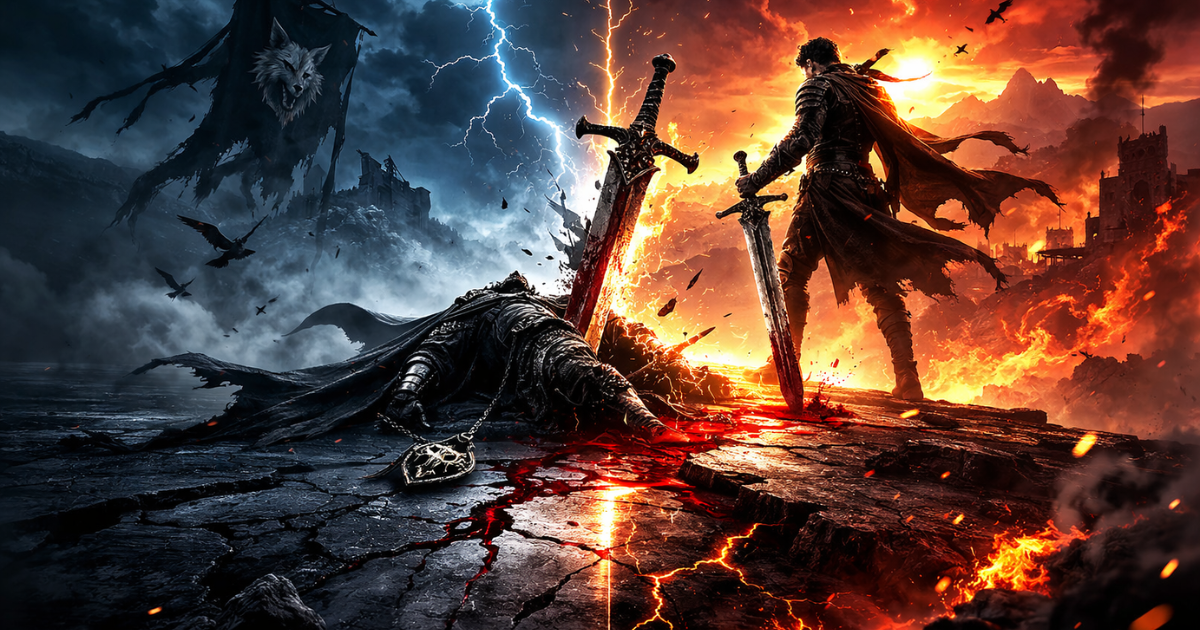
The headline “Reville Lupus was slain by Clay” sent shockwaves through the fictional world, marking one of the most pivotal moments in the narrative. This wasn’t merely a battle between two characters—in reality, it represented a clash of ideologies and a dramatic shift in power dynamics. Reville Lupus stood as a man of conviction, believing his actions were justified, which made him especially dangerous. Clay, on the other hand, represented everything Reville despised, setting the stage for an inevitable confrontation.
This article examines who these characters were before their fatal encounter, what actually happened during the decisive moment when reveille lupus was slain by clay, why this event carries such weight for the story, and what consequences followed in its aftermath.
Who Were Reville Lupus and Clay Before the Fatal Encounter
Understanding the characters at the center of this conflict reveals why “reville lupus was slain by clay” became such a defining moment.
Reville Lupus: The Powerful Antagonist
Reville Lupus wasn’t a stereotypical villain driven by baseless destruction. He carried deep convictions about his actions, believing his path was righteous. This made him particularly formidable. His presence commanded respect and fear in equal measure. As a master tactician, Reville controlled situations with calculated precision. Many observers initially assumed he would serve as the final obstacle in the narrative arc.
His name carries symbolic weight. “Lupus” translates to Wolf in Latin, suggesting either a carefully chosen call sign or a reflection of his predatory nature. The first part of his name, “Reville,” echoes the military bugle call “reveille” used to wake soldiers. This linguistic detail adds layers to his character.
Beneath his powerful exterior existed a tragic figure molded by harsh circumstances. Difficult choices throughout his life hardened his heart, leaving him inflexible in his principles. His inability to adapt ultimately sealed his fate.
Clay: The Rising Force
Clay presented a stark contrast. Described as imperfect, mistake-prone, and impulsive, he possessed qualities that paradoxically made him capable of what others couldn’t accomplish. His journey before confronting Reville was fraught with challenges, positioning him as the perpetual underdog. Doubters questioned whether he could merely survive, let alone triumph against someone of Reville’s stature.
His resilience defined him. Like the material sharing his name, Clay could be shaped by his environment but solidified into something unbreakable when pressure demanded it. This transformation proved critical.
The Ideological Divide Between Them
Their philosophical differences created inevitable conflict. Reville valued order and control, maintaining rigid structures. Clay, on the other hand, embraced unpredictability and thrived amid chaos. Reville represented established systems and traditions, while Clay embodied emerging forces and change. These opposing worldviews left no room for coexistence.
Their Previous Confrontations
Every encounter between them crackled with palpable tension. Clay had suffered directly from Reville’s decisions, making their conflict deeply personal rather than merely ideological. Reville despised everything Clay represented, viewing him as a threat to order. Their scenes together demonstrated that only one could survive this collision of ideologies.
What Really Happened When Reville Lupus Was Slain by Clay
The Setting and Circumstances
The confrontation unfolded in an environment that reflected the gravity of what was about to occur. Darkness enveloped the scene, punctuated by a raging storm that amplified the tension. The setting wasn’t coincidental. It mirrored the internal turmoil both characters carried into this moment. Stakes reached their zenith, leaving no possibility for retreat or negotiation.
The fight itself demonstrated masterful pacing, avoiding the trap of rushed resolution. As a result, each moment built upon the last, creating unbearable tension. This wasn’t a sudden explosion of violence but rather a slow burn that tested both combatants’ resolve.
How the Fight Unfolded
Reville Lupus dominated the opening exchanges, exactly as observers expected. The veteran’s experience showed immediately, allowing him to corner Clay with calculated precision. His tactics forced Clay onto the defensive, exploiting every advantage his years of combat provided. Paragraphs describing Clay’s struggle painted a grim picture of his chances. Victory seemed to belong to Reville, pushing the narrative toward what appeared to be a dark turn.
The Decisive Moment
The tide shifted when Clay identified an opening. Unlike a simple mistake by Reville, this represented a moment of extraordinary insight from Clay. He recognized a weakness that had remained invisible to everyone else. This brilliance, not luck, determined the outcome.
Clay’s Final Strike
When reville lupus was slain by clay, the execution was brutal yet essential to the narrative. No glorification softened what happened. One moment captured Reville standing as the room’s dominant force; the next moment erased his presence. Vivid descriptions conveyed the weapon’s weight, the shock registering on Reville’s face, and the haunting silence that followed. The word “slain” itself carries significant weight, suggesting not merely death but a violent, legendary confrontation worthy of being recorded.
Why This Event Matters to the Story and Characters
The Shift in Power Dynamics
When reville lupus was slain by clay, the fictional world descended into immediate chaos. Alliances that had held together under Reville’s dominance shattered overnight. Power vacuums opened across the landscape, creating uncertainty where order once existed. The event functioned like kicking an anthill, forcing characters who had hidden in shadows to emerge into the light now that the threat was eliminated.
This shift elevated Clay’s role beyond recognition. Before this moment, he merely participated in the story as one voice among many. After slaying Reville, Clay became the protagonist, shifting the entire plot’s center of gravity. The narrative no longer belonged to those who came before but to the emerging generation willing to fight for change.
Clay’s Transformation After the Kill
Taking a life of such magnitude extracted a heavy toll. Clay didn’t walk away celebrating his victory. Exhaustion consumed him, coupled with a profound sense of mourning for his lost innocence. The story dedicated time to showing his trauma, recognizing that violence carries costs even for the victor.
The Symbolic Meaning Behind the Death
Narratively, the event brought everything full circle. Clay had suffered most from Reville’s actions, making the confrontation deeply personal rather than abstract justice. Because Clay delivered the final blow, the moment fused revenge with redemption. Equally significant, Clay represented the future while Reville embodied outdated systems. His death declared that old methods no longer held validity.
How Other Characters Reacted
Side characters demonstrated the complexity of toppling powerful figures. Some cried tears of joy, relieved the tyrant was gone. Others felt terror because Reville, despite his faults, had provided stability. Without him, uncertainty replaced order. This realistic portrayal acknowledged that removing dictatorial figures rarely produces instant peace but instead initiates messy transitions.
What Happens Next: The Aftermath and Future Implications
The Immediate Consequences
Reville’s absence forced the narrative into uncharted territory. The main antagonist was gone, creating a fundamental shift in story structure. Consequently, the plot had to pivot from man versus man conflict to man versus society conflict. Clay proved his strength through combat, but leadership demands entirely different skills.
New Threats Emerging
Nature abhors a vacuum. With Reville gone, other factions will inevitably attempt to seize control. Clay faces the daunting task of defending the peace he fought so hard to establish. Fighting politics and bureaucracy presents challenges that may prove harder than the battle with Reville. Battling a monster requires different tactics than navigating institutional power struggles.
Clay’s Path Forward
The story must address whether Clay becomes the new leader or walks away from the power he won. His proven combat abilities don’t automatically translate to governance capabilities. Meanwhile, his demonstrated strength has positioned him at a crossroads between accepting responsibility and rejecting the system entirely.
The Community’s Response and Theories
Audiences remain sharply divided since reveille lupus was slain by clay and lesion throne and liberty communities buzzed with reactions. Some celebrate Clay as the series MVP, creating fan art and analytical essays. A vocal minority believes Reville Lupus was killed off prematurely, arguing he had more story to tell. Wild theories suggest Reville isn’t actually dead, proposing illusions or clone scenarios. Undoing his death would cheapen the moment and rob Clay of his achievement.
Conclusion
The moment reville lupus was slain by clay transformed the entire narrative landscape. Clay proved that determination can overcome experience, even when facing seemingly insurmountable odds. His victory, however, introduced complications rather than resolution. The power vacuum left behind will test whether Clay possesses the wisdom to lead or if removing one tyrant simply cleared space for another. This defining confrontation ultimately asked whether breaking the old order guarantees something better will replace it.
FAQs
Q1. Who was Reville Lupus and what made him such a formidable antagonist?
Reville Lupus was a powerful antagonist driven by deep convictions about his actions, believing his path was righteous. He was a master tactician who commanded respect and fear, controlling situations with calculated precision. His name carries symbolic weight—”Lupus” means wolf in Latin, reflecting his predatory nature, while “Reville” echoes the military bugle call used to wake soldiers. Despite his power, he was ultimately a tragic figure hardened by difficult circumstances and an inability to adapt.
Q2. What were the key differences between Clay and Reville Lupus?
Clay and Reville represented opposing forces both in character and ideology. While Reville was experienced, calculated, and valued order and control, Clay was imperfect, impulsive, and thrived in chaos. Reville embodied established systems and traditions, whereas Clay represented emerging forces and change. Like the material sharing his name, Clay could be shaped by his environment but solidified into something unbreakable under pressure, which ultimately proved critical to his victory.
Q3. How did Clay manage to defeat the more experienced Reville Lupus?
Although Reville dominated the opening exchanges of their confrontation, Clay identified a critical weakness that had remained invisible to everyone else. This wasn’t luck but rather extraordinary insight that turned the tide. Clay’s moment of brilliance allowed him to exploit an opening and deliver a brutal final strike. The victory came from his ability to recognize what others couldn’t see, demonstrating that determination and insight can overcome raw experience.
Q4. What were the immediate consequences after Reville Lupus’s death?
The fictional world descended into immediate chaos following Reville’s death. Alliances that had held together under his dominance shattered overnight, and power vacuums opened across the landscape. Characters who had hidden in shadows emerged now that the threat was eliminated. Clay’s role elevated dramatically—he transformed from a participant to the protagonist, shifting the entire plot’s center of gravity to the emerging generation willing to fight for change.
Q5. How did Clay change after killing Reville Lupus?
Taking a life of such magnitude extracted a heavy toll on Clay. Rather than celebrating his victory, he experienced exhaustion and profound mourning for his lost innocence. The confrontation left him traumatized, acknowledging that violence carries costs even for the victor. Clay now faces the challenge of whether to become a new leader or walk away from the power he won, as his proven combat abilities don’t automatically translate to governance capabilities.
